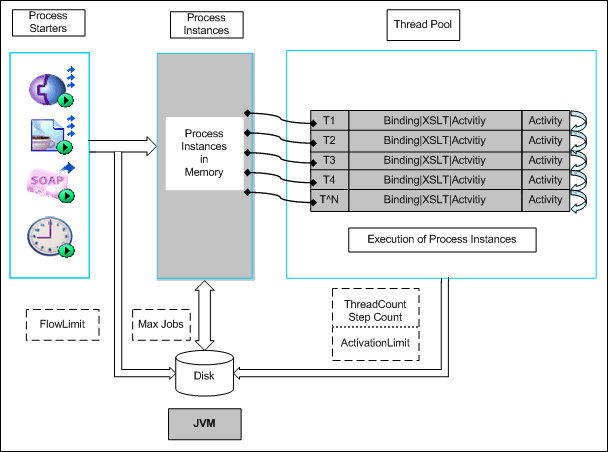
Figure 6, Process Execution in BusinessWorks Engine, illustrates the way process instances are processed in BusinessWorks and the various factors that affect the performance of the engine.
Max Jobs: If the number of process instances in memory have reached the value of
Max Jobs, then the process instances created are temporarily held on a disk. These process instances will be moved back into memory when sufficient memory is available.
Flow Limit: When set, this property limits the number of process instances that can be created. If the number of process instances being created exceeds the value of
FlowLimit, the engine suspends the creation of new process instances. However, it continues executing the process instances in memory. The engine resumes creating new process instances when process instances, approximately half the value specified for
FlowLimit, have completed. See
Controlling Execution of TIBCO ActiveMatrix BusinessWorks Services in
Chapter 5, Setting Deployment Options for more information on
FlowLimit property.
The engine property StepCount determines the number of tasks that are executed by a thread uninterruptedly. However, the exceptions to
StepCount occur when the job is blocked or in a transaction. When a job is in a transaction, the thread will not be released even if the
StepCount is exceeded. However, if a process instance is waiting or is in a blocked state, it can be paged out and the freed memory used to process another process instance.
Activation Limit can be set if a process instance that is blocked should remain in memory till completion. Setting the
ActivationLimit affects the engine performance substantially.
See Chapter 8, Custom Engine Properties for more information on setting these properties.